
Currently Empty: $0.00

On Sale!


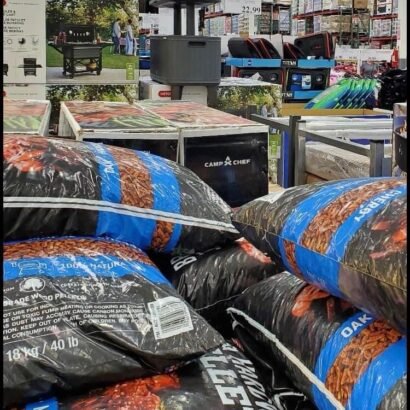

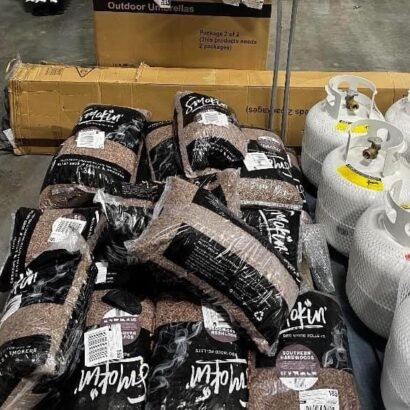
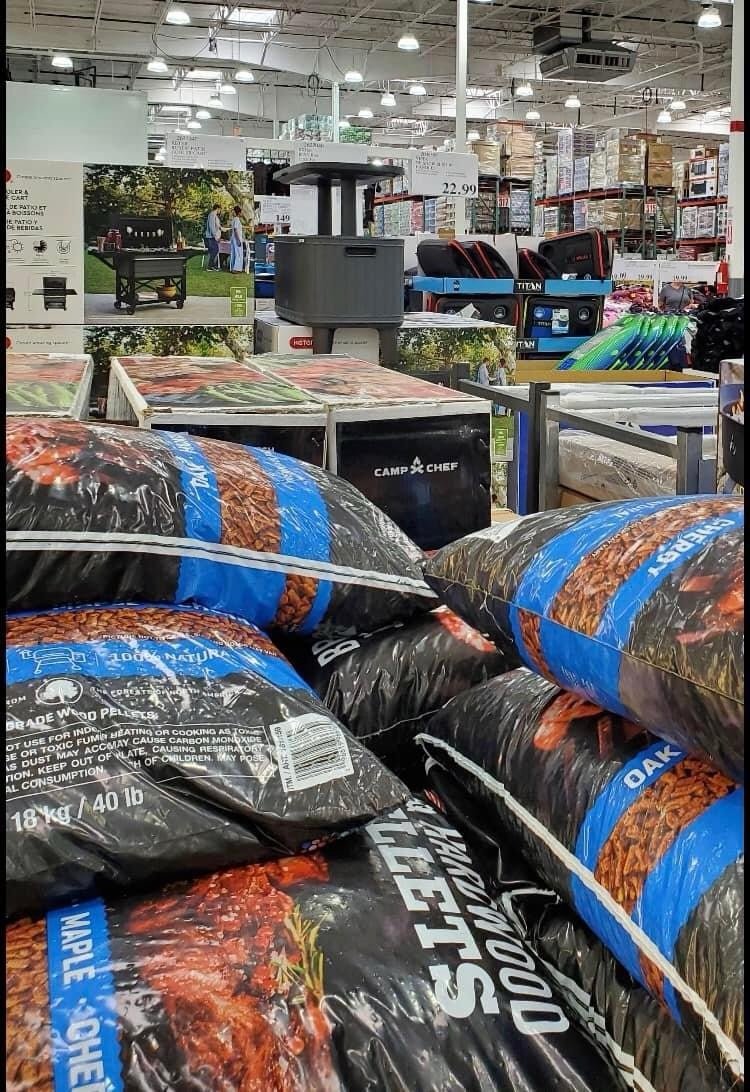

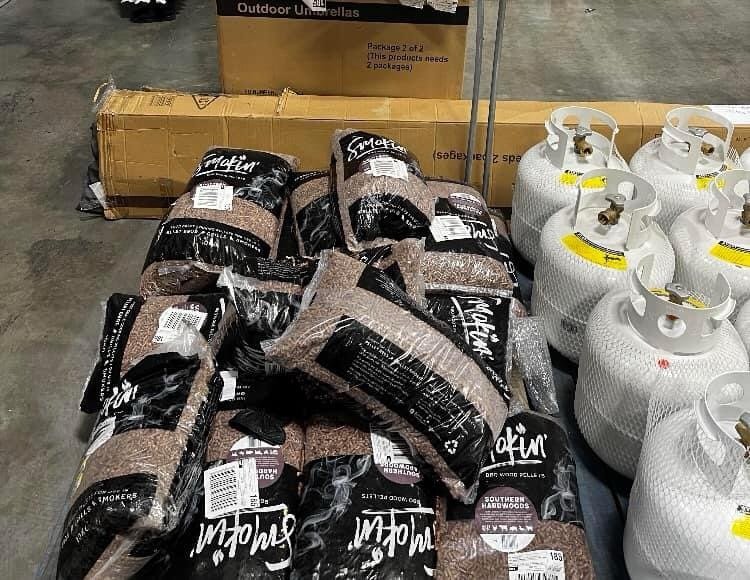
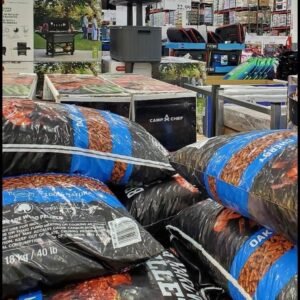
The Wood Pellets 50 bags per ton. Min order 10 ton for $2500
Delivery and return
Delivery and return
Next day delivery in store
Buy before 6pm to receive your order next day.FREE
Next day delivery
Orders before 6pm from Monday to Saturday (or before 1pm on Sunday) will be delivered Next working day (except Northern Ireland and Highlands). Orders placed after 6pm (after 1pm on Sunday) or for Northern Ireland and Highlands will be delivered in 2 working days.29 USD
Drop Point
In 2-3 working days. Pick up your parcel in one of the many diferent collection points available and during a wide range of hours.39 USD
Same day delivery in London:
Place your order before 13:00 to get it today!. If you order later on, you’ll receive it the next day and if you order on Sunday, you’ll receive it the next working day.59 USD
Shipping Information
Shipping Information
SHIPPING
Complimentary ground shipping within 1 to 7 business days In-store collection available within 1 to 7 business days Next-day and Express delivery options also available Purchases are delivered in an orange box tied with a Bolduc ribbon, with the exception of certain items See the delivery FAQs for details on shipping methods, costs and delivery timesComposition and care
Composition and care
Characteristics of wood :
- Hard, compact , fiberous and porous
- Good wood gives a rich, warm and beautiful surface.
Wood is used for the construction of:
- Floor, Furniture, Walls
- Incidental furnishing (lampshades, picture frames)
- Kitchen & restaurant ware
Description
Wood Pellets: The Smart, Sustainable Fuel for a Greener Future
In an age when sustainability and energy efficiency are more important than ever, Wood Pellets have emerged as one of the most practical and eco‑friendly fuel alternatives. Whether for home heating, industrial power generation, or large‑scale biomass energy production, wood pellets are quickly becoming a cleaner and smarter choice worldwide.
This article explores everything you need to know about wood pellets — from how they’re made to their environmental impact — and why they represent a crucial step toward a renewable energy transition.
What Are Wood Pellets?
Wood Pellets are small, cylindrical pieces of compressed biomass made primarily from sawdust, wood shavings, and forestry residues. They measure around 6–10 mm in diameter and are manufactured under high pressure without the need for chemical binders.
Because the natural lignin inside the wood binds everything together during compression, wood pellets are dense, dry, and consistent in shape — making them ideal for efficient combustion.
These pellets are used in:
-
Pellet stoves and boilers for residential heating.
-
Biomass power stations for renewable electricity.
-
Industrial furnaces and commercial heating systems.
How Wood Pellets Are Produced
The manufacturing process of Wood Pellets is both straightforward and sustainable. It typically follows these steps:
-
Collection of raw materials. Wood waste like sawdust, bark, or chips is gathered from sawmills and lumber operations.
-
Drying process. Moisture content is reduced to around 8–12% to improve combustion efficiency.
-
Grinding and milling. The wood is finely ground into uniform particles to ensure even compression.
-
Pelletizing. The material is fed into pellet mills, compressed through dies, and shaped into small uniform pellets.
-
Cooling and packaging. Fresh pellets are cooled to harden, then packed in bags or bulk containers for shipment.
This process uses renewable inputs and minimizes waste, turning what would otherwise be discarded wood into valuable, efficient fuel.
Benefits of Using Wood Pellets
When compared to fossil fuels, Wood Pellets offer numerous advantages in cost, energy efficiency, and environmental sustainability.
1. Environmentally Friendly Energy Source
Since wood pellets are made from renewable biomass, they release significantly fewer greenhouse gases than coal, oil, or gas. In many cases, their carbon output is considered carbon neutral, as the trees used for raw materials absorb roughly the same CO₂ during growth as is released during combustion.
Moreover, using wood pellets helps reduce landfill waste by recycling wood byproducts that might otherwise go unused.
2. Cost‑Effective Heating
Energy efficiency is one of the biggest reasons people switch to Wood Pellets. Due to their uniform shape, low moisture content, and high energy density (about 16–18 MJ/kg), they burn evenly and produce steady heat output.
Over time, wood pellets often prove more economical than propane, electricity, or heating oil — making them a practical solution for homeowners and commercial energy users alike.
3. Easy Storage and Handling
Pellets are compact, lightweight, and easy to store. They can be bought in bags or delivered in bulk, and they take up much less space than chopped firewood. Their consistent size also allows for automatic feeding systems, which keeps pellet‑powered boilers clean and convenient.
4. Global Availability
As demand for renewable energy grows, wood pellet production has expanded worldwide. Today, North America and Europe are leading producers and consumers, while new markets in Asia and Africa continue to develop. This broad availability strengthens their role as a global energy resource.
Applications of Wood Pellets
Wood Pellets aren’t just for home heating — they’re used across multiple industries.
Residential Heating
Homeowners use pellet stoves and boilers for efficient and clean heating. Many residential systems come with programmable thermostats and automatic feeders, making them as convenient as traditional gas systems.
Commercial and Industrial Use
Factories, schools, farms, and hotels increasingly rely on Wood Pellets for space and water heating. In industrial applications, pellets replace or supplement coal, significantly reducing carbon emissions while maintaining high energy output.
Power Generation
In large‑scale biomass power plants, Wood Pellets are burned to generate steam, driving turbines that produce electricity. Many countries now co‑fire pellets with coal to achieve greener power production without overhauling existing infrastructure.
Cat Litter and Animal Bedding
Surprisingly, wood pellets also serve as absorbent materials for pets or livestock bedding. Their clean, environmentally-safe composition and high absorption capacity make them a great eco‑friendly alternative to synthetic litters.
Environmental Impact of Wood Pellets
Transitioning to Wood Pellets plays an important role in movement toward renewable energy. However, understanding their environmental footprint ensures responsible use.
Carbon Neutrality in Practice
When sourced sustainably, Wood Pellets can achieve carbon neutrality. This means the CO₂ emissions they produce during burning are offset by the growth cycle of new trees that absorb carbon from the atmosphere.
Sustainably managed forests, certified by organizations like the FSC (Forest Stewardship Council) or PEFC (Programme for the Endorsement of Forest Certification), guarantee that harvested wood is replaced responsibly.
Energy Efficiency and Lower Emissions
Pellet combustion emits up to 80–90% less CO₂ than coal and produces minimal particulate emissions when burned in modern, high‑efficiency pellet boilers. This makes them one of the cleanest solid fuel options available today.









There are no reviews yet.